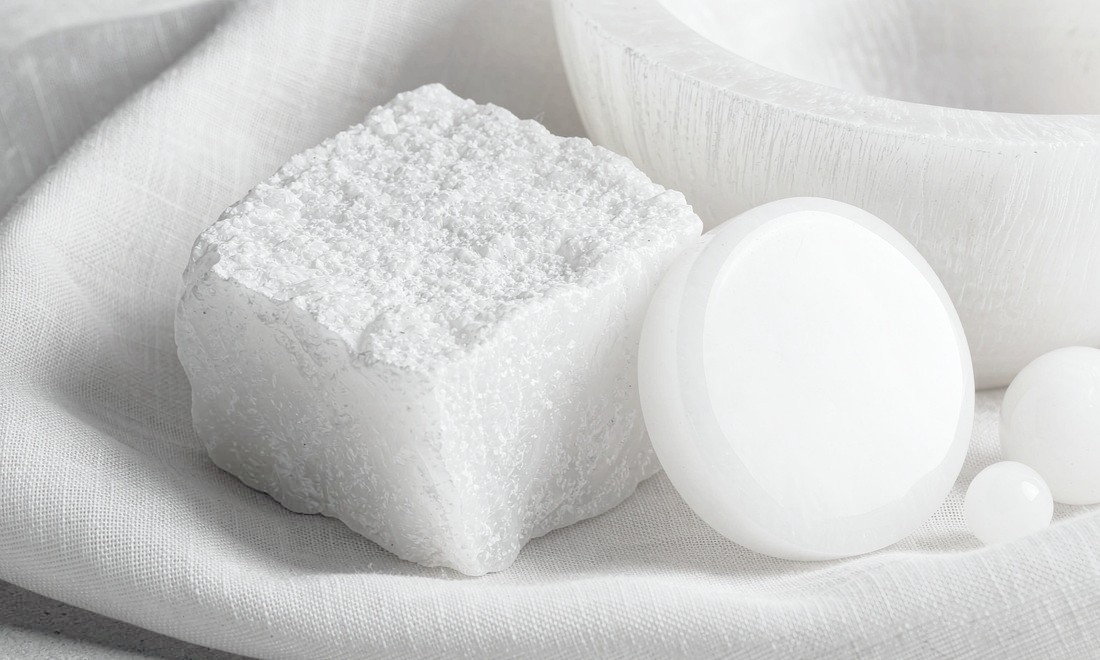
Type "jade" into any search engine and you will be met with walls of green, translucent stone. That green stone is jadeite - the rarer, harder, often more vivid of the two true jades. But the jade that built Chinese culture for five thousand years is the other one: nephrite. When we say Hotan jade (和田玉), we mean nephrite.
Two minerals, one word
Both nephrite and jadeite are officially "jade," but they are different minerals. Nephrite is a calcium magnesium silicate with a fine, interlocking fibrous structure. Jadeite is a sodium aluminum silicate with a granular crystal structure. The difference shows up in how they look, feel and wear.
| Property | Nephrite (Hotan jade) | Jadeite |
|---|---|---|
| Main colours | Creamy white, soft green, grey, black | Vivid green, lavender, red, white |
| Typical look | Warm, oily, subdued | Bright, glassy, translucent |
| Toughness | Extremely high (fibrous) | Hard but more brittle |
| Origin in China | Hotan, Xinjiang - the classical source | Rare; mostly Myanmar |
Why nephrite is the "national jade"
Nephrite from Hotan is what emperors carved into ritual discs and what families passed down for generations. Its appeal is not flash - it is the warm, oily luster (the Chinese call it "rice-oil" mutton-fat when white) that deepens with handling. It is a stone meant to be lived with, not displayed.
Why this matters when you buy
If you are looking for the calm, creamy, "national jade" of China, you want nephrite, not green jadeite. They are priced, sourced and certified differently. Every JadeHotan jade piece is natural nephrite, comes with a national gemological certificate, and can be re-checked at any authorized institution.